Cleaning Pokémon Cards Before Grading
Why vintage holos and modern textured cards need different assessments—not a one-size-fits-all treatment.
By Prestige Mobile Card Cleaning · 2026-11-17
Cleaning is not automatically the right step before grading. Identify the exact card and finish first, check your grader’s rules, and never assume wax or polish is grading-safe. PSA explicitly includes foreign substances such as cleaning spray or wax in its N7 Evidence of Cleaning criteria.

Start with the card—not the cleaner
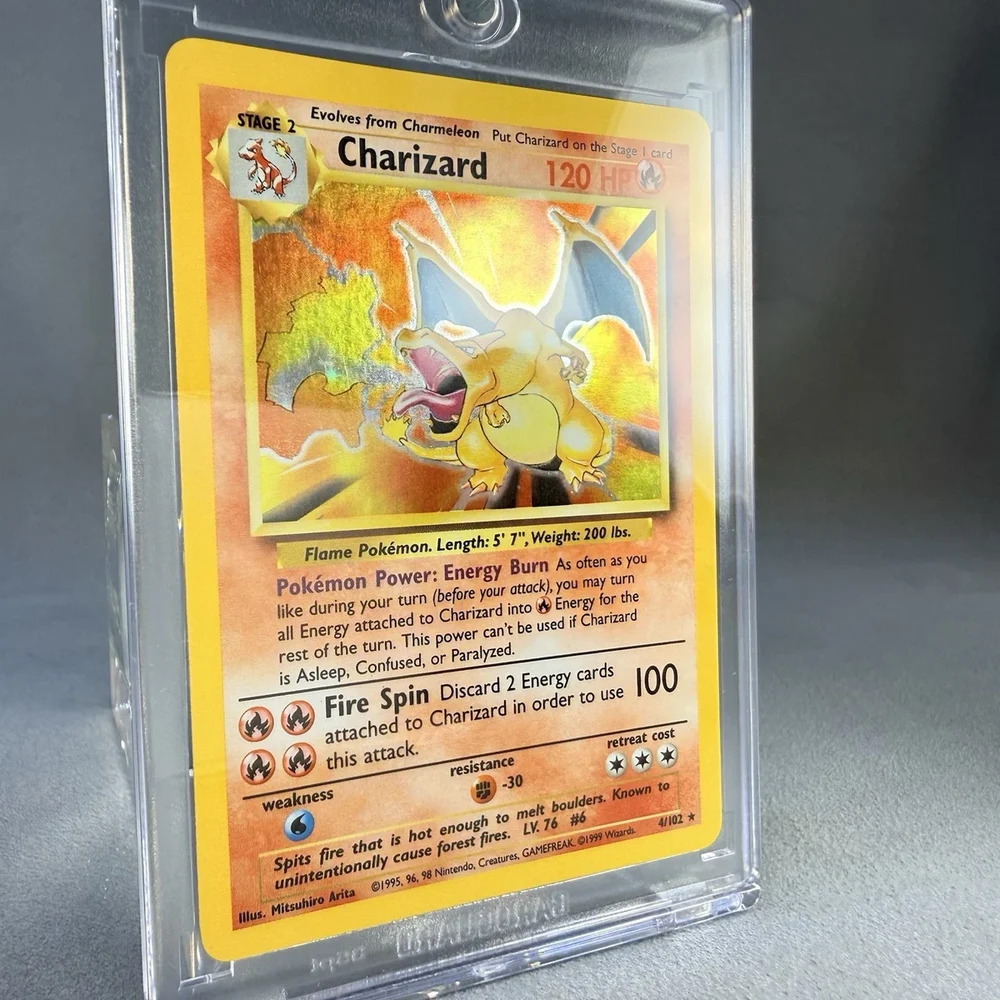
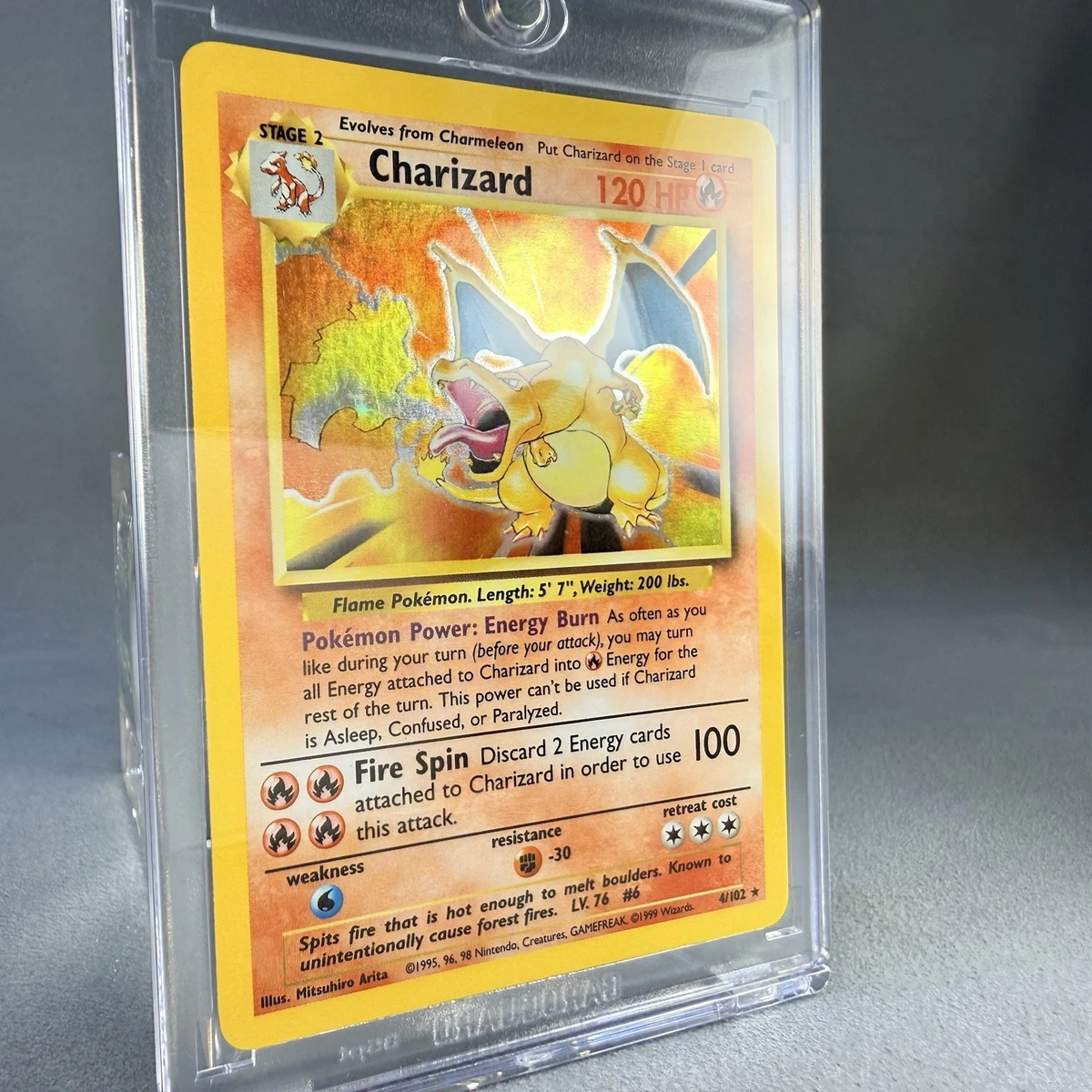
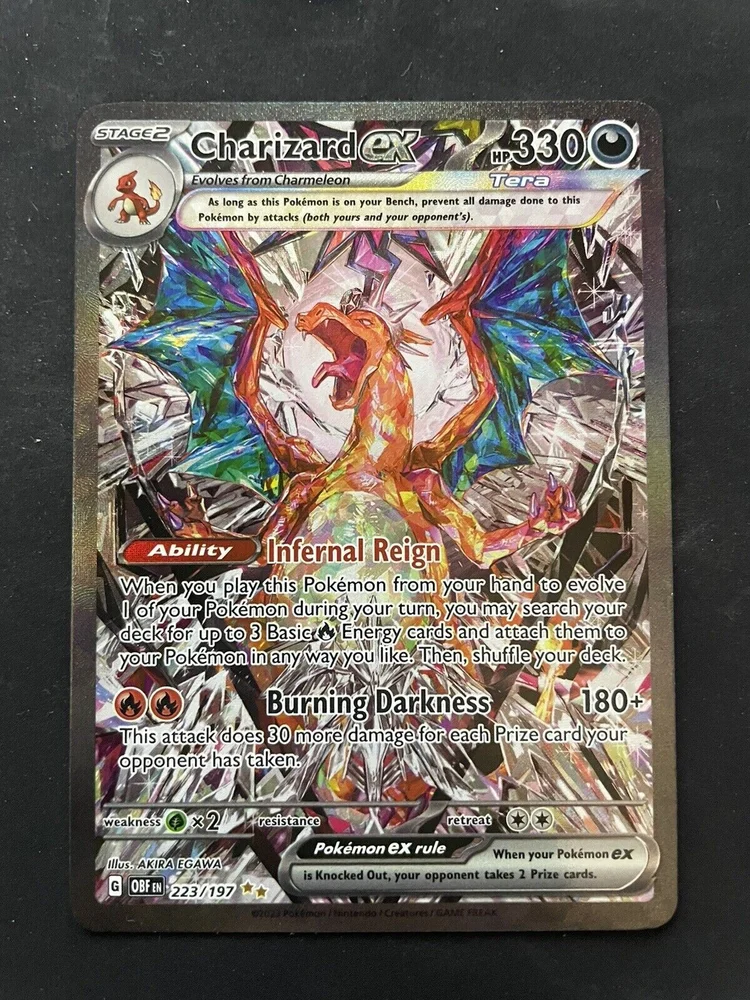
Cleaning Pokémon cards before grading starts with a question: what surface are you actually working with? A vintage holo Charizard and a modern textured Charizard ex may both be Pokémon cards, but their finishes, printed details, existing wear, and treatment risks are not interchangeable.
Dirt or debris can affect how a card looks, but that does not mean every mark should be treated. A scratch, worn coating, print line, dent, or damaged edge is not simply dirt that can be wiped away. Trying to remove it can make the surface worse. A careful assessment should separate loose contamination from damage before any service is discussed.
The goal should be an informed decision about your card—not a promise of a higher grade. Sometimes the appropriate choice is to leave the card untreated.
Layers and finishes: why a universal recipe falls short
Trading cards combine a paper-based structure with printing and, depending on the issue, foil, coatings, and textured effects. People sometimes describe Pokémon cards as having six or seven layers. That is not a verified, universal specification for every Pokémon release, and this guide does not use a fixed layer count to decide how a card should be handled.
The practical point is simpler: the visible surface is only one part of the card. The card’s construction, edges, foil, texture, and condition all matter. Products or pressure that change a surface’s appearance may also change the card itself. Vintage versus modern is a starting distinction—not a treatment instruction.
Vintage holo cards: assess the surface before chasing shine
With a vintage holo such as Base Set Charizard, the first priority is to distinguish surface dirt and debris from scratches, holo wear, and aging. A smoother-looking finish does not make a card immune to damage, and extra shine is not evidence that a card is ready for grading.
At Prestige, any proposed surface cleaning, polishing, or wax treatment is a card-specific service decision—not an automatic package of steps for every vintage card. A sequence such as surface cleaning, polish or wax, and a final surface check must not be interpreted as a universally safe pre-grading method.
In particular, wax and polish are not neutral just because a card is old. PSA’s published N7 criteria explicitly mention applying foreign substances, including wax, to a card’s surface. If you intend to submit a card for grading, discuss that intention before agreeing to treatment. A final cleaning or inspection cannot guarantee that a prior treatment is acceptable to the grader.
Modern SIRs: texture changes the assessment
Modern special illustration rare cards, including Charizard ex from Obsidian Flames, are a useful contrast to vintage holos. Their textured surface has fine raised and recessed details. It should not be treated as though it were simply a smooth vintage holo.
Prestige’s practical concern with textured finishes is that material from a treatment may collect in fine surface details and be difficult to remove. That concern calls for restraint and card-specific inspection—not more product or more aggressive rubbing. We do not describe the finish as a verified “powdered” coating, and this article does not claim that every SIR uses the same texture or manufacturing process.
A cleaner should be able to explain what they see, what they propose to use, what risks remain, and when they would decline a treatment. They should not promise to remove every trace of polish or wax, or to make a treatment undetectable. PSA’s cleaning criteria apply beyond textured modern cards.
PSA’s rules matter more than a shine test
PSA’s N7 Evidence of Cleaning criteria include certain stain-removal methods and the application of a foreign substance such as cleaning spray or wax. Its standards state that a card with this designation can qualify for Authentic Altered encapsulation at the grader’s discretion when the submission conditions are met.
That is a warning about treatment—not a claim that every handling action receives the same result. It also means you should not assume that removing visible residue erases the grading risk. Different grading companies set their own policies; check the current rules of the company you plan to use.
Prestige’s assessment is unofficial. Cleaning, polishing, wax treatment, or minor corrections do not guarantee acceptance by a grading company or a particular grade. For a valuable card, deciding not to treat it may be the better option.
What to ask before booking card care
Tell your provider which card and set you have, what concerns you, and whether your goal is display, personal collecting, sale, or grading. Those goals can lead to different decisions. Send clear front-and-back photos and close-ups of the areas you want assessed.
Ask which products or techniques are proposed, whether anything will remain on the surface, what could go wrong, and whether the provider would recommend leaving the card alone. A responsible answer acknowledges uncertainty; it does not guarantee a PSA 10 or promise that treatment cannot be detected.
Look at real examples of the provider’s work, but remember that one card’s result does not predict another card’s outcome. You should understand the proposed service and approve it before work begins.
A card-specific conversation in Southern California
Prestige Mobile Card Cleaning works with collectors across Los Angeles, Orange County, and the Inland Empire. Request an assessment to discuss your specific card, its finish, your concerns, and whether a service makes sense. Mobile visits and Irvine appointments are subject to availability and confirmation.
Whether it is a vintage holo Charizard or a modern textured SIR, the first step is understanding the card—not automatically applying wax or polish. Book A Session to start the conversation, and let us know if grading is your goal.
Common questions
Should I clean Pokémon cards before grading?
Not automatically. Identify the card and surface, assess whether a mark is dirt or actual damage, and check your intended grader’s current rules before agreeing to treatment. Leaving the card untreated may be appropriate.
Is wax safe on a card I plan to send to PSA?
Do not assume it is grading-safe. PSA explicitly includes applying a foreign substance such as wax in its N7 Evidence of Cleaning criteria. This applies to vintage and modern cards, not only textured SIRs.
Why do textured SIR cards need a different assessment?
Fine raised and recessed surface details can complicate inspection and residue removal. The exact card and its condition should determine whether any treatment is appropriate; texture is not a reason to apply more product.
Can professional cleaning guarantee a higher grade?
No. A cleaning provider cannot guarantee a grading company’s acceptance or grade. Prestige’s evaluation is unofficial, and services are subject to inspection and your approval.